Understanding Sports Turf Maintenance Costs
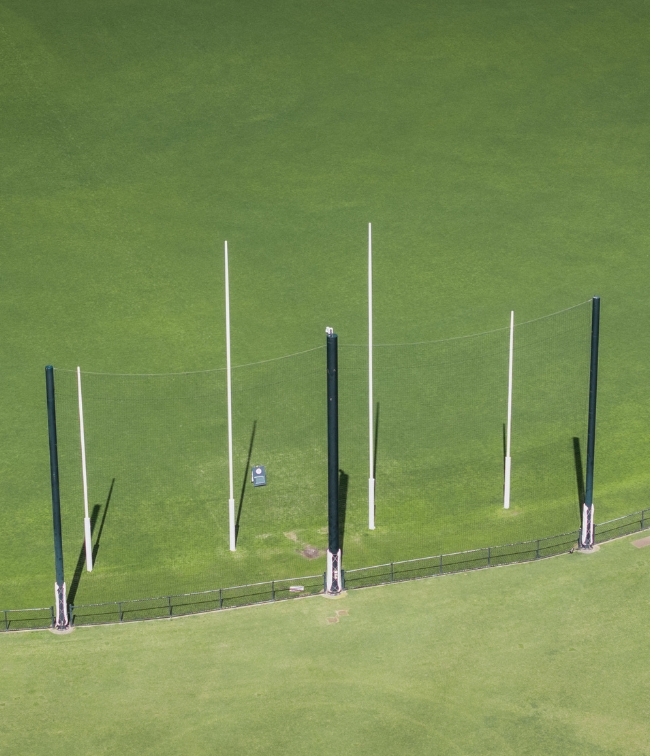
Sports turf maintenance is essential for delivering a safe, high-performing, and long-lasting surface. Whether it is a community oval, elite stadium or a school oval, regular turf maintenance helps ensure consistency, safety and playability across the area.
When it comes to maintaining a sports field, we can’t give you an exact dollar figure without knowing the ins and outs of your field. But we can explain the factors that will determine the cost. More on that below!
What Is Included In Sports Turf Maintenance?
Sports turf maintenance involves a range of tasks essential to a field’s health, durability and quick return to play after wet weather. The type of sports turf surface is one of the biggest factors influencing maintenance requirements and overall costs.
For natural turf, maintenance commonly includes:
- Mowing
- Fertilising
- Aeration
- Irrigation management
- Weed, pest, and disease control
- Topdressing
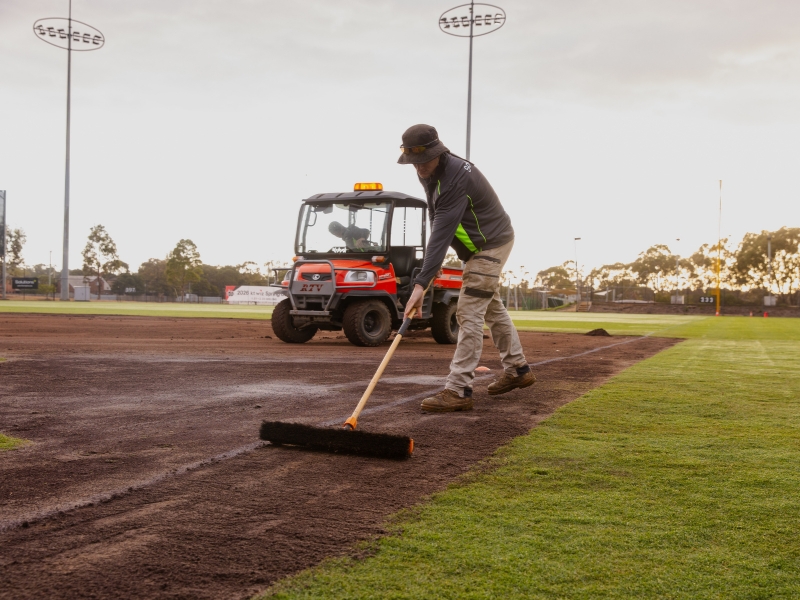
- Renovations
These practices help ensure that the surface remains functional year-round.
Synthetic sports field maintenance requires a different approach. Unlike natural grass, artificial turf cannot repair or clean itself, meaning specialised care is essential in order to maintain safety and performance.
Common synthetic turf maintenance services include:
- Power brushing
- Infill management
- Surface cleaning
- Debris removal
- Weed and moss control
- Grooming and inspections
These services help prevent fibre matting, infill compaction, and surface contamination while extending the turf’s lifespan.

Natural Grass vs Synthetic Turf Maintenance
Natural and synthetic are the two types of turf used on sporting fields. A less common type of turf used is hybrid, which combines natural and synthetic components. Different turf types require different maintenance practices and schedules, thereby impacting cost.
Natural grass sports field maintenance requires ongoing attention to maintain turf health. As it is a living ecosystem, it requires continuous maintenance to preserve turf health, drainage performance and surface consistency. Services such as mowing, watering, fertilising, deep coring, slicing, topdressing, and reseeding are essential to preserve surface quality and durability.
Synthetic turf is designed to mimic the look and feel of natural grass while being weather-resistant. It generally involves lower routine maintenance over its lifespan but still requires specialised care to maintain optimal performance. Cleaning, brushing, infill top-ups, and grooming are critical to ensure the surface remains safe, consistent, and weather-resistant.
Hybrid turf is a system that combines the two types of turf so that real grass can grow intertwined with synthetic fibres. The maintenance requirements for hybrid turf is a balance between practices used on natural and synthetic.
Key Factors That Influence Sports Field Maintenance Costs
Turf type, field size, usage frequency, and climate conditions are key factors that will impact the level of maintenance required and, therefore, the cost. Understanding these cost factors is essential for anyone looking to maximise not only their field performance but also the long-term value of their investment.
Field Construction, Size and Usage Frequency
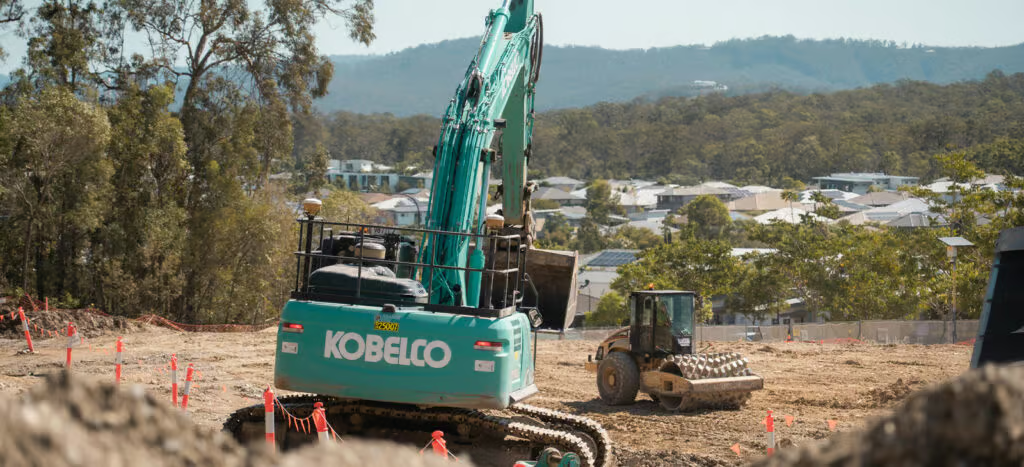
The initial construction of your sports field is a major variable impacting maintenance costs.
If a field was constructed poorly, a more frequent or specialised maintenance program will be required, or often a renovation will be needed. This may be due to poor drainage, inadequate subgrades, or low-quality installations.
The initial construction sets the stage for irrigation quality, durability and subgrade. The design of the field can also affect cost.
Furthermore, larger sports areas evidently require more labour, equipment, materials and time. Popular community fields that have higher traffic also need increased maintenance due to the field experiencing more wear and tear with fewer rest days. Similarly, elite sporting facilities require more intensive turf maintenance programs due to increased usage demands and stricter playing standards.
Navigating The Australian Climate
In many Australian regions, drought conditions and water restrictions can alter irrigation management costs for natural turf facilities. If your irrigation system is not adjusted correctly, your sports field may be in for major repairs down the line. Conversely, periods of heavy rainfall can lead to surface wear, compaction, drainage issues and increased pest and disease pressure. Providing precise hydration is the foundation of any resilient landscape.
Equipment and Labour Requirements
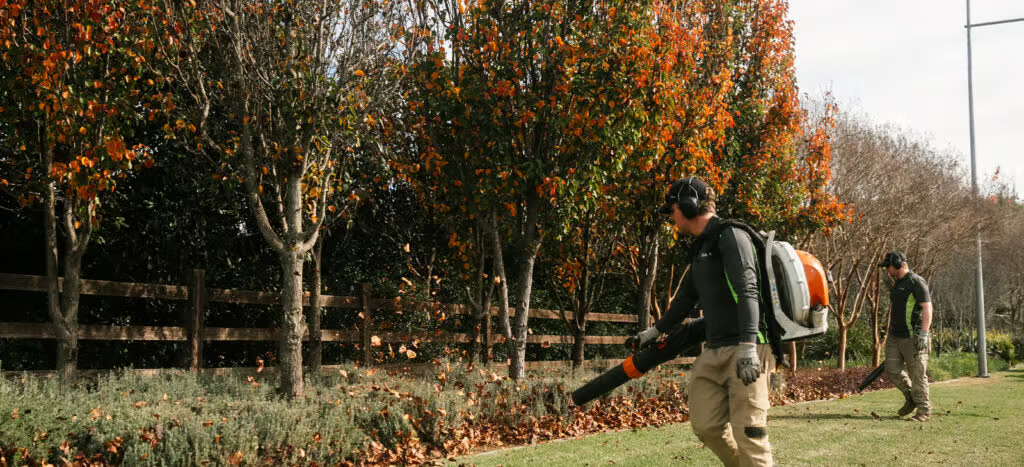
Sports turf often relies on specialised equipment and cleaning processes to preserve safety and performance. Specialised machinery (think aerators, line markers, mowers, brushes, and topdressers) requires skilled operators and ongoing servicing, both of which contribute to maintenance costs but are essential for maintaining a safe, high-performing sports field.


How to Reduce Sports Turf Maintenance Costs
Reducing sports turf maintenance costs does not mean compromising on quality. Preventative maintenance and smart planning can significantly improve efficiency while reducing long-term expenses. When you work with us, our team of turf and greenkeeping professionals will develop a maintenance plan that fits your budget and covers the required tasks, ensuring surface issues are addressed before they become detrimental to your field. And if you are in need of a reno right now, we’ll help you with that, and develop a follow-up maintenance plan to ensure your efforts don’t go to waste.
Preventative Maintenance Strategies
A proactive maintenance approach is far more cost-effective than reactive repairs. Routine inspections and scheduled maintenance programs help identify drainage issues, compaction, and turf wear early on. Having this in place will reduce the likelihood of expensive repairs, surface failures and premature turf replacement. Simple strategies, including scheduled aeration, irrigation monitoring, and regular grooming, will go a long way in improving turf health and surface longevity.
Additionally, with a maintenance program in place, issues with your sports field will be spotted early, and minor renovations can be completed before they become large and complicated projects.
Choosing the Right Turf System
Choosing the right turf system for your environment and usage requirements is a highly important consideration that can help control long-term costs. Facilities with heavy usage schedules may benefit from synthetic or hybrid turf systems, whereas community grounds may gain better long-term value with natural turf. Poorly suited turf leads to excessive repairs, additional treatments and increased water usage. Matching the turf type to the facility’s needs helps improve durability, performance, and cost-efficiency.
Partnering with a Professional Turfcare Provider
Professional turfcare programs improve efficiency, reduce reactive maintenance costs, and help facilities stay safe and visually appealing year-round. Working with an experienced sports turf maintenance provider ensures your field receives tailored care that meets the specific performance, safety and usage requirements.
This means more time to play for your club and community!
Why Professional Sports Turf Maintenance Is Worth the Investment
Well-maintained sports fields provide more consistent playing conditions, reduce injury risks, and create a better experience for players, clubs, schools, and communities. Consistent maintenance also helps delay major resurfacing or replacement costs by protecting turf health and preventing structural issues from developing over time. Whether it is natural or synthetic turf, investing in professional sports turf maintenance helps ensure your sports field remains durable, safe, and ready for play in all conditions.
Whether it’s community grounds or an elite sporting facility, for rugby or cricket, we can help maximise your investment. At Solutions+, we understand that sports fields are a community asset and deserve specialised care. Our customised maintenance programs are designed to maximise turf performance, reduce downtime, and protect your long-term investment.
If you are looking to improve the performance and longevity of your sports field, contact us here!