How to Protect Your Landscape This Upcoming Winter
With the celebration of the International Day of Plant Health this May, it is important we recognise how vital our plants are in the Australian climate. Protecting plants not only contributes to food security but also supports a healthy ecosystem, resulting in cleaner air and water.
For commercial landscapes and public spaces, maintaining strong plant health throughout all seasons, especially winter, is essential to ensure long-term performance, visual appeal, and environmental sustainability.
Australian Winter Conditions
Taking extra care of your landscape during winter here in Australia is immensely important in order to protect plants from changes in climate. The drop in temperatures can lead to frost damage, poor soil health, pest outbreaks and fungal diseases, none of which you want for your landscape. Whether it’s a sports field or a large reserve, setting the stage for spring is crucial.


Essential Tips for this Coming Winter:
Improve Soil Health: Healthy soil is the foundation of any successful landscape. After harsh Australian summers, many soils can become dry and nutrient-poor.
To help combat this, you can:
- Incorporate organic compost or well-rotted manure to replenish essential nutrients and improve soil structure.
- Apply mulch to help regulate soil temperature, retain moisture, and protect plant roots from sudden temperature drops.
- Avoid over-fertilising, as this can promote weak growth that is more susceptible to winter diseases.
Choose Climate Appropriate Planting: Plant selection plays a significant role in long-term plant health. Choosing species that are suited to local conditions is a great way to ensure health and longevity.
To build a solid foundation:
- Where possible, opt for Australian native plants. They are naturally adapted to local climates and typically require less maintenance and intervention.
- Choose the right time for new landscaping projects or plant replacements; autumn and early winter are great times for plants to establish before the heat of summer.
Optimise Irrigation Practices: When climate changes, irrigation also needs a change. Overwatering is a common issue during winter and can lead to root rot and fungal growth.
To avoid this:
- Monitor soil moisture, and water only when necessary.
- Watering in the early morning is also recommended, as it allows foliage to dry throughout the day therefore reducing the risk of disease.
Prioritise garden maintenance and pruning: A cleaner landscape is a healthier one too.
To achieve this:
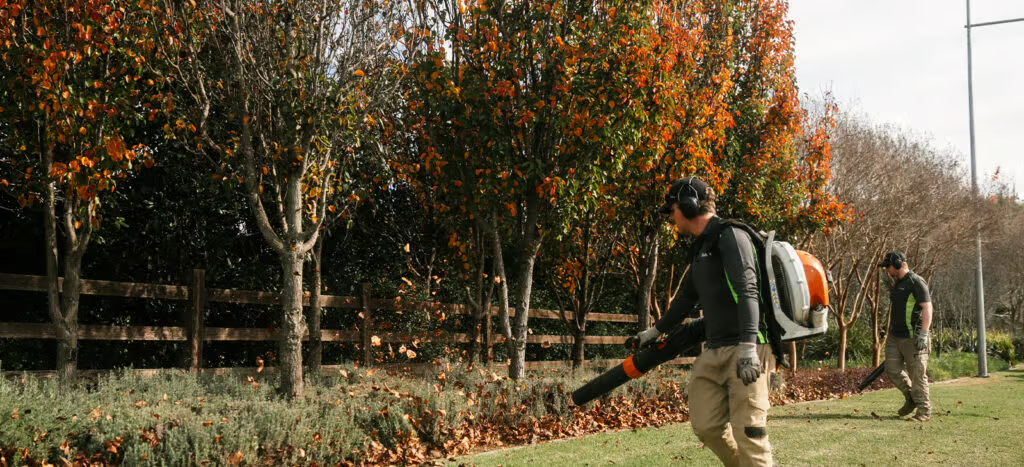
- Remove any dead, damaged, or diseased plant material. This will help prevent the spread of issues and improve overall plant vitality.
- Practice light and strategic pruning. This encourages healthy growth and improves air circulation, which is particularly important for reducing fungal problems during cooler, damp conditions.
- Keep garden beds clean and well-maintained to enhance both the appearance and safety across commercial spaces.
Proactive Pest and Disease Control: Keeping plants healthy and stress-free also makes them naturally more resistant to pest problems.
This requires:
- Regular inspections that allow for early identification of common issues such as aphids, scale, and lawn grubs. Early treatment is far more effective than dealing with a full infestation later.
- Eliminate any material that could attract pests or disease. This includes plant debris and waste that can harbour pests if left unchecked.
- Act fast, when treating pests and diseases you must act fast as it is common for some pests to destroy a whole garden overnight if the infestation is strong.
Support Sustainable Landscaping Outcomes This Winter
A proactive winter strategy not only provides short-term protection but also contributes to long-term sustainable landscaping outcomes. By improving soil health, optimising irrigation, and maintaining consistent care, you can create landscapes that are more resilient and environmentally responsible.
Ready to Optimise your Landscapes for the New Season?
At Solutions+, we understand that maintaining plant health requires more than reactive care, it demands a strategic, year-round approach. Our expert maintenance services are designed to support commercial landscapes and deliver tailored solutions for garden maintenance, irrigation management, and pest and disease control.
Contact us today to learn how we can support your landscape with professional, reliable, and sustainable care.