Is It A Native Species Or An Invasive Species?
You’ve probably heard the terms invasive and native used when talking about the different species found in our environment. By learning the difference between the two, we can make more informed decisions to protect and support local biodiversity.


The Native Definition
Many factors can make a species native, so there is no single scientific definition. Still, most people agree that a native species is one that lives in its environment naturally, without any help from humans.
Native species have one main thing in common: they arrived in their environment without help from people. They got there through natural ways, such as wind, ocean currents, or animal migration, often over thousands of years. Once they settle in, these species play important roles in their ecosystem, such as pollinating flowers, feeding other animals, or providing shelter for local wildlife. Invasive species, by contrast, disrupt this balance. Instead of helping the ecosystem, they compete with native species for resources and can damage the habitats they enter.
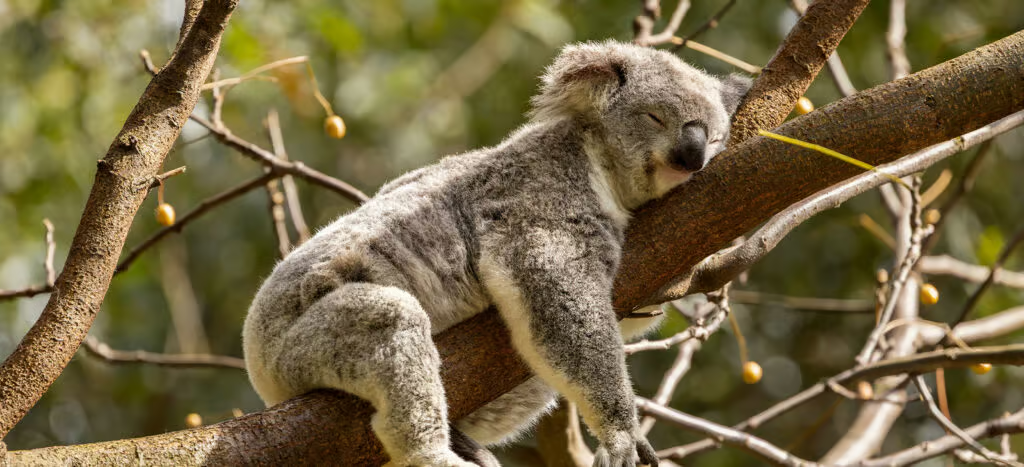
Native species fall into two types: indigenous and endemic. Indigenous species live naturally in a certain area but can also be found in other places. Endemic species, on the other hand, are found only in one specific area and nowhere else in the world. Australia has many endemic species, such as the koala, which lives nowhere else.
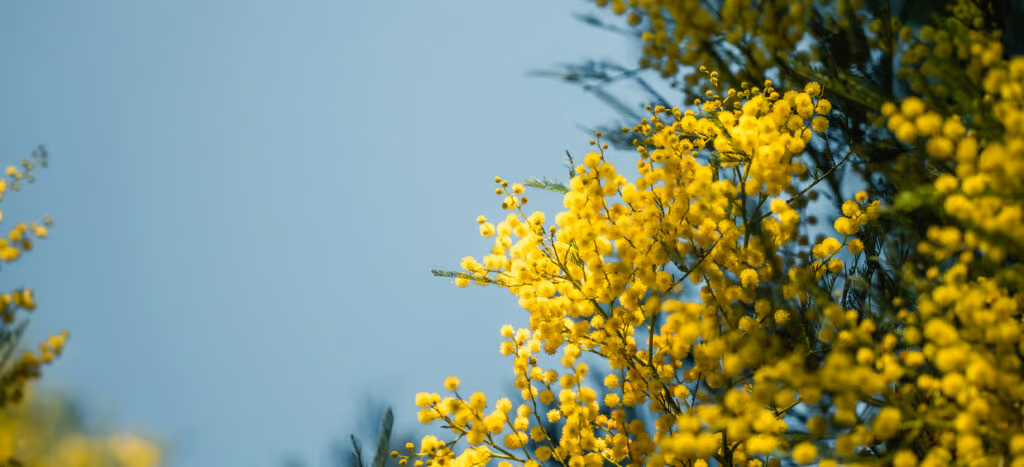
Other examples of Australian native species are kangaroos, platypuses, and thousands of wattle species found throughout the country. If any of these animals or plants were moved to another country, they would be considered introduced there and could even become invasive.
Introduced Vs Invasive
Now that we’ve covered native, let’s move to introduced versus invasive. Sometimes these terms are used interchangeably but it’s important to note the difference. Not all introduced species are invasive, but most invasive species are introduced (a rare few can be native species that overpopulate and harm their own ecosystem).
So what do the two terms mean? An introduced species is an organism humans brought to a new geographic area outside its natural range. An invasive species is an introduced species that harms the environment, wider ecosystem, and sometimes even the economy.
For example, Lantana was introduced to Australia in 1841 as an ornamental garden plant. People admired it for its beauty and aesthetic value. Today, it’s one of Australia’s most destructive invasive plants, covering between 4 and 5 million hectares of land across the country. It spreads aggressively, crowding the space and soil native plants need to survive, and its toxic compounds can cause severe illness and death in other species.
Why Does It Matter?
The lantana story demonstrates why these terms matter. Understanding the difference between the species can help us make more informed decisions. Whether you’re buying a plant, planning a new outdoor space, or starting a garden club, small decisions can make a big impact.
Putting this knowledge into practice doesn’t have to be complicated. Start by planting native species where you can. If you’re unsure what’s native and what’s not, your local council or state government’s weeds list is a great place to check. You can also use identification apps like iNaturalist to identify what’s native.
Seeds and spores can easily hitch a ride on shoes, clothing, and camping gear, so a quick wipe of your shoes before and after visiting somewhere can make a difference, especially while out travelling.
Understanding the difference between native, introduced, and invasive species is a small step, but it goes a long way towards protecting Australia’s unique biodiversity. If you would like to find out more about how our ecology team supports native habitats and how they can help you, click here.